Cloth and construction decide how a pair of formal trousers drapes, breathes, holds its crease and ages. This is a practical guide to the fabrics used in men's formal trousers and to the details that separate a well-made pair from an ordinary one.
Fabric notes describe general characteristics of each material for guidance; please ask in store about the specific composition of any garment.
Specimen 00 — SurfaceMagnification · detail view
01 Six fabric specimens
Know the cloth before the cut.
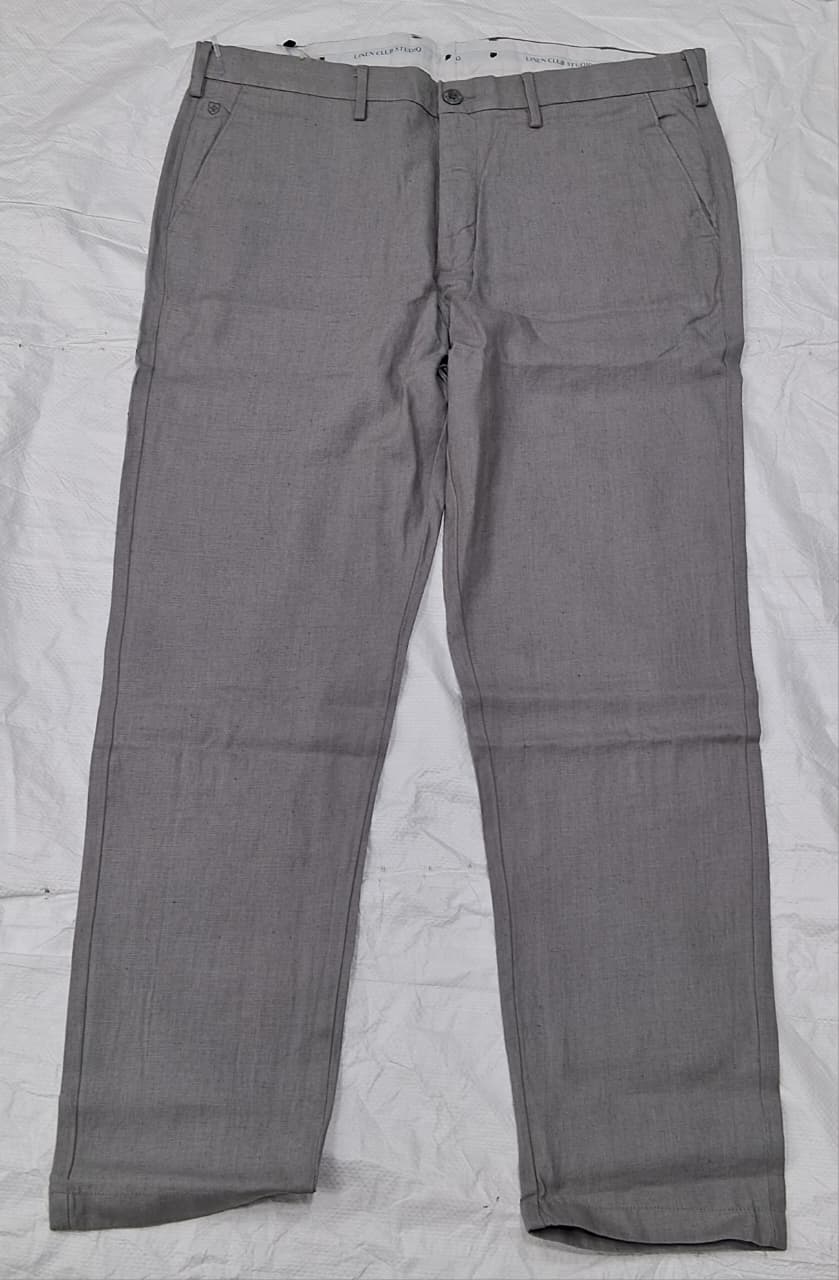
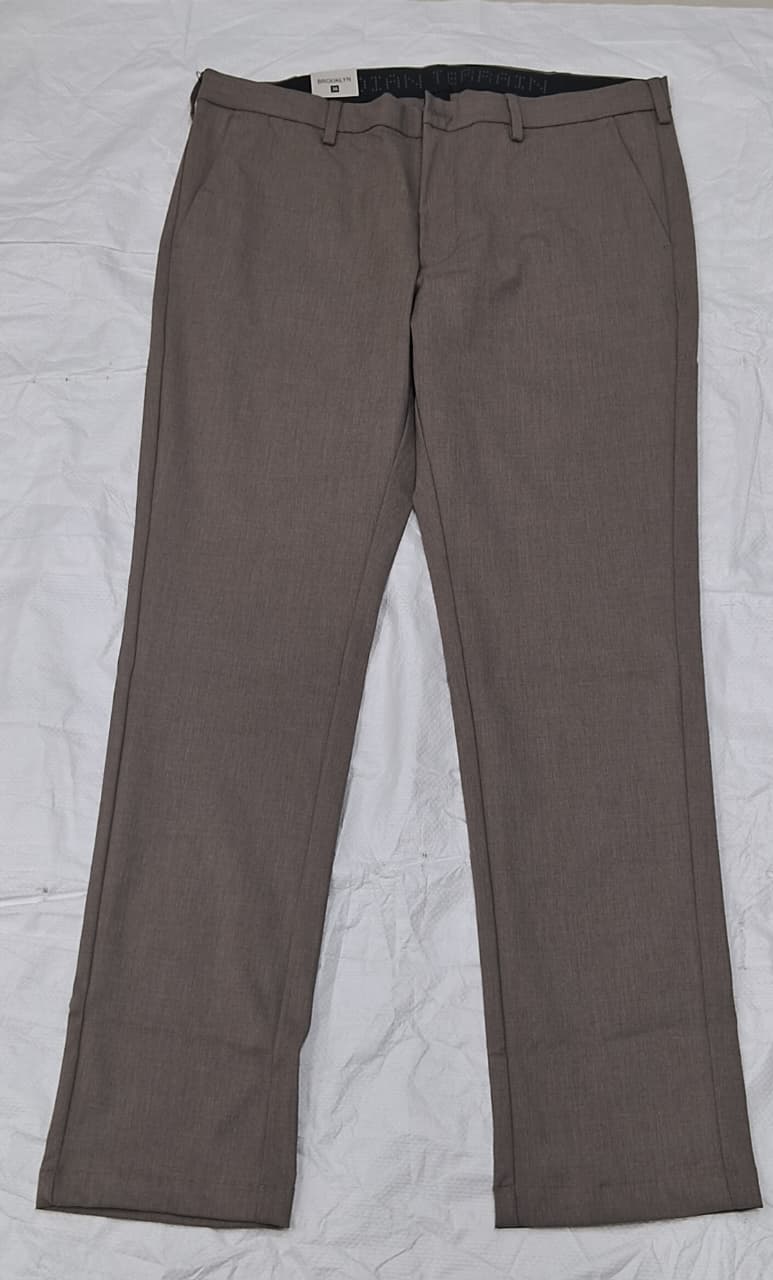
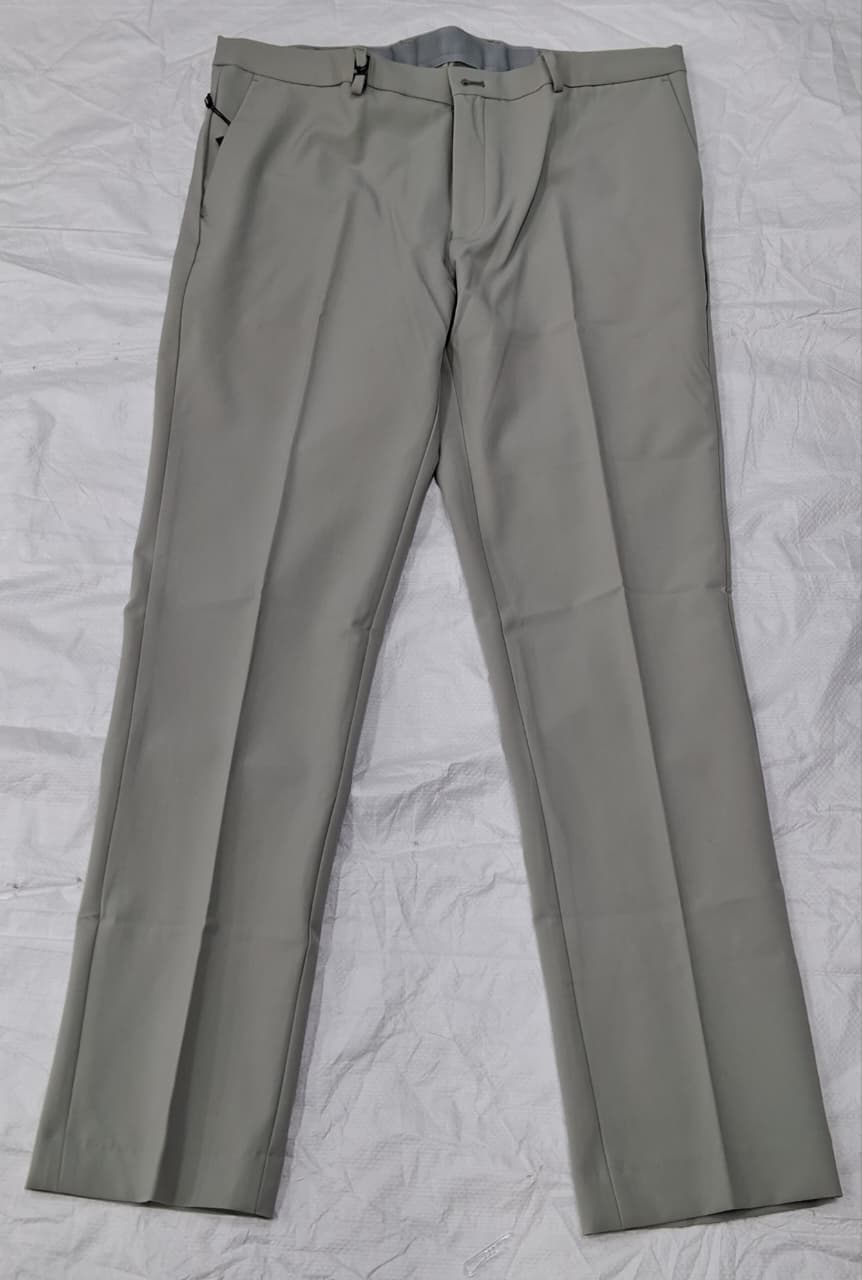
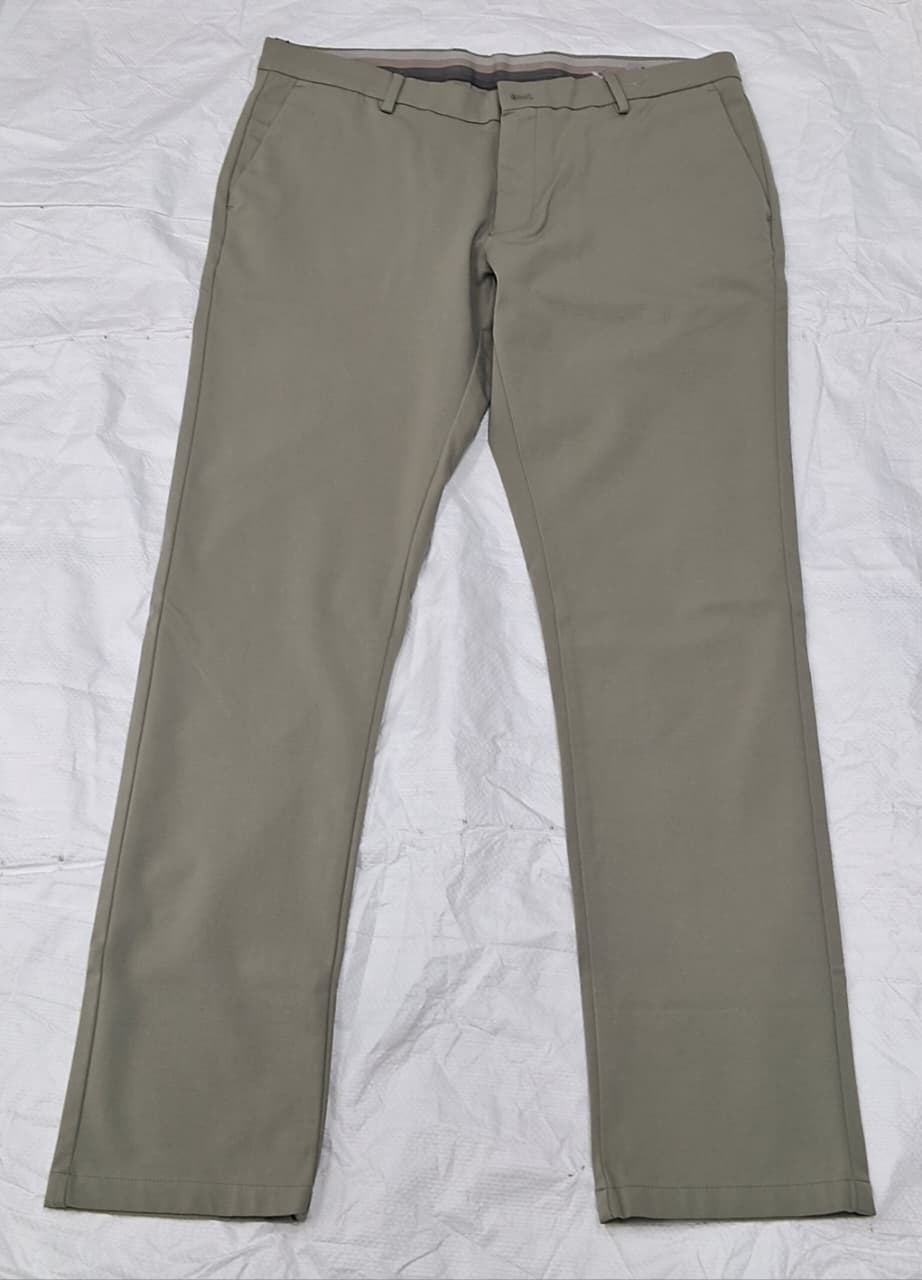
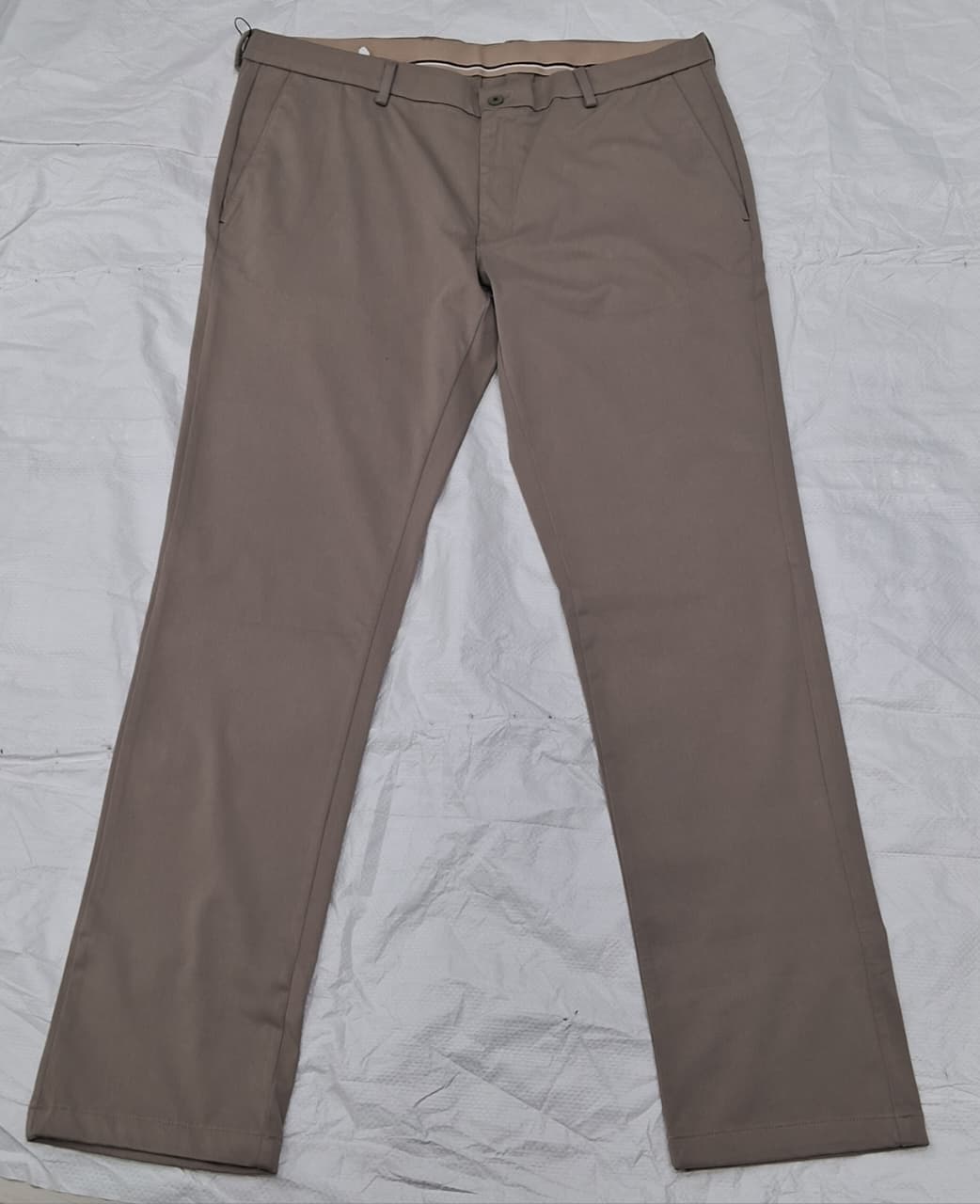
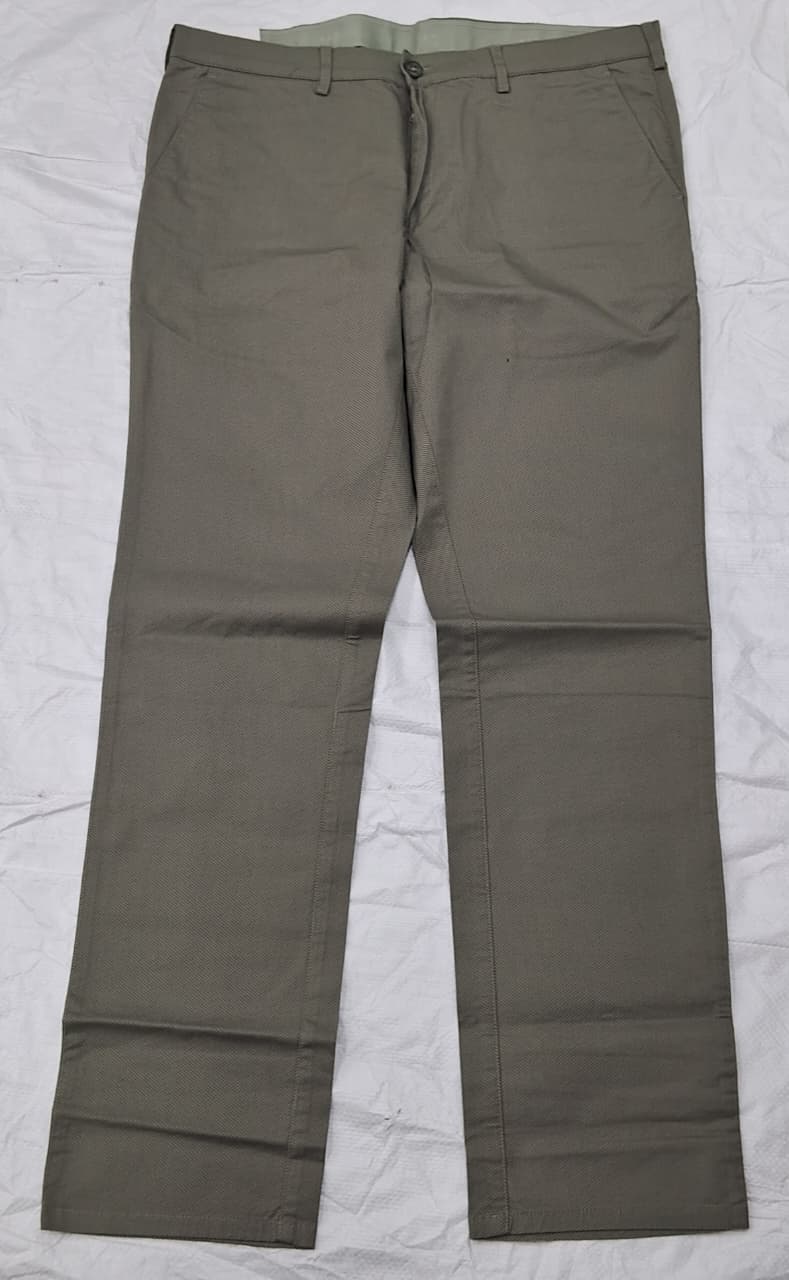
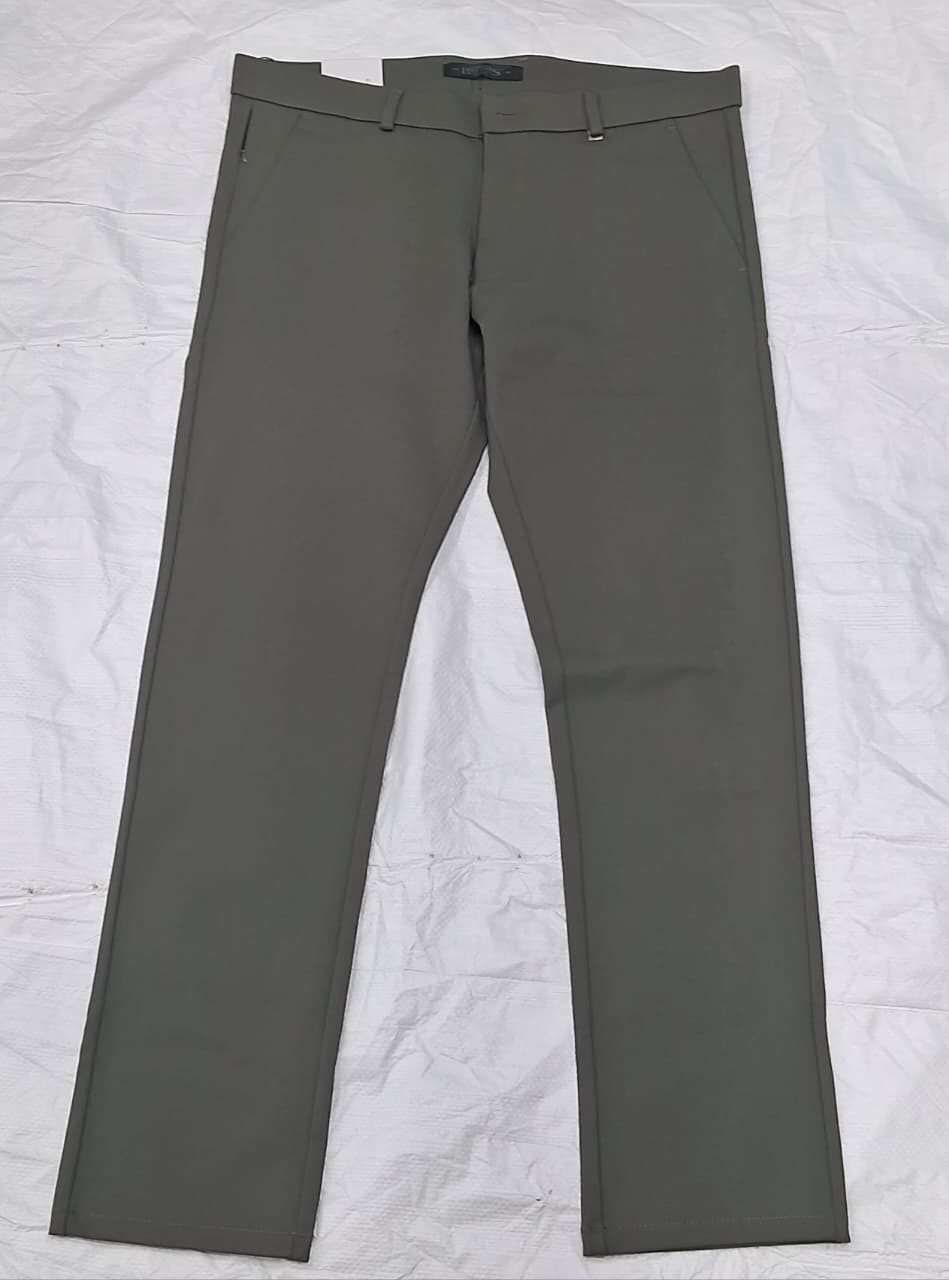
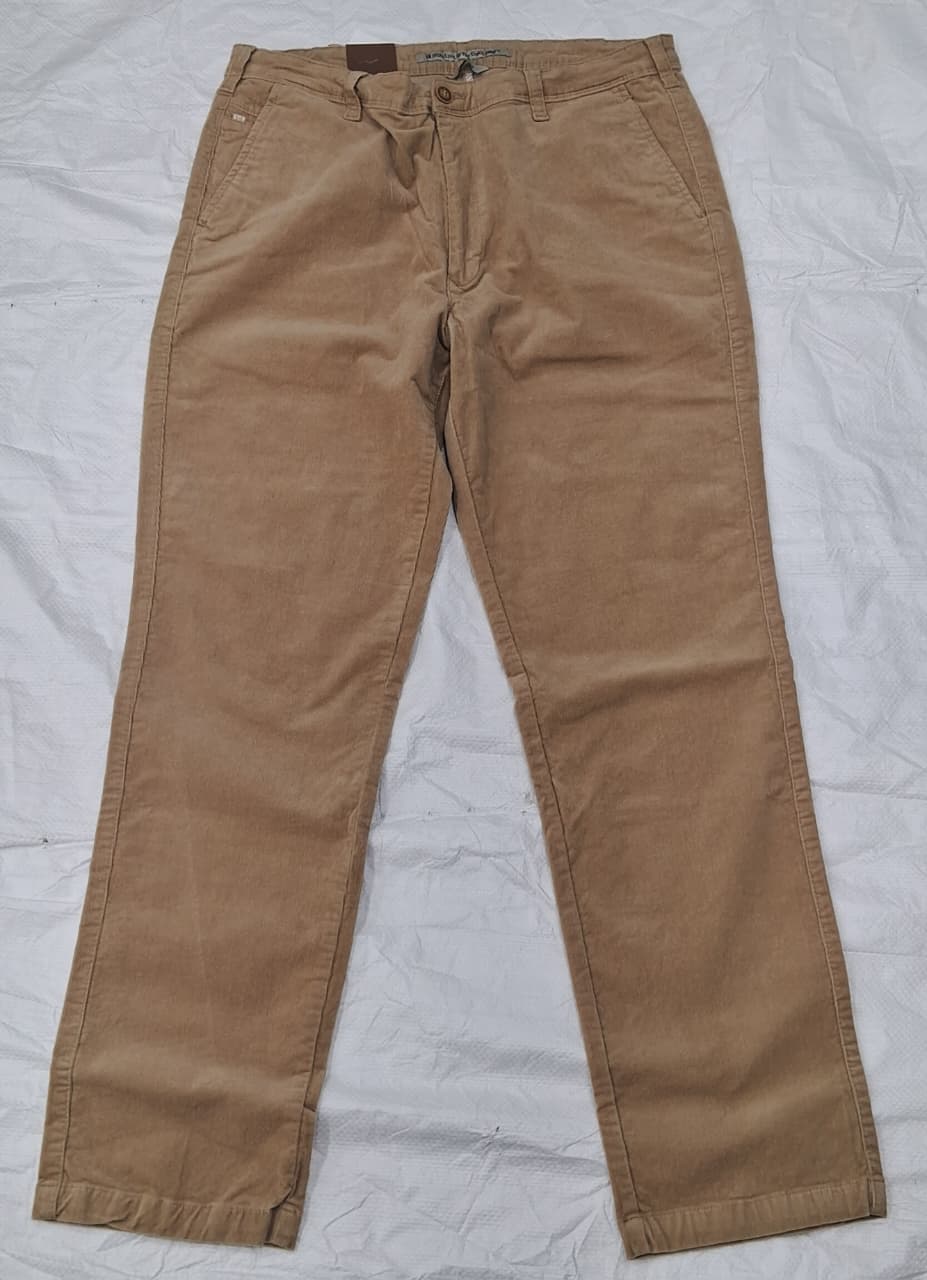
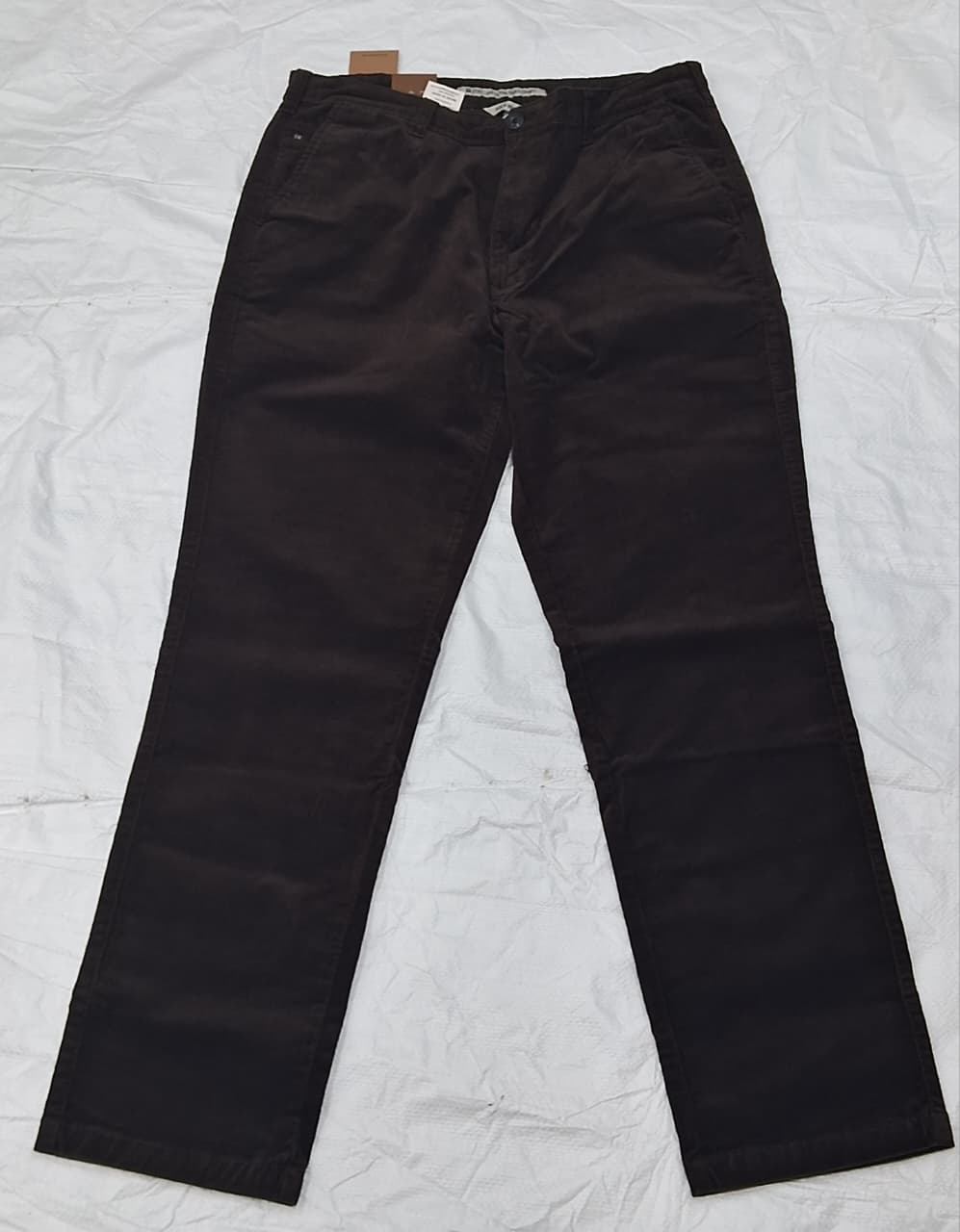
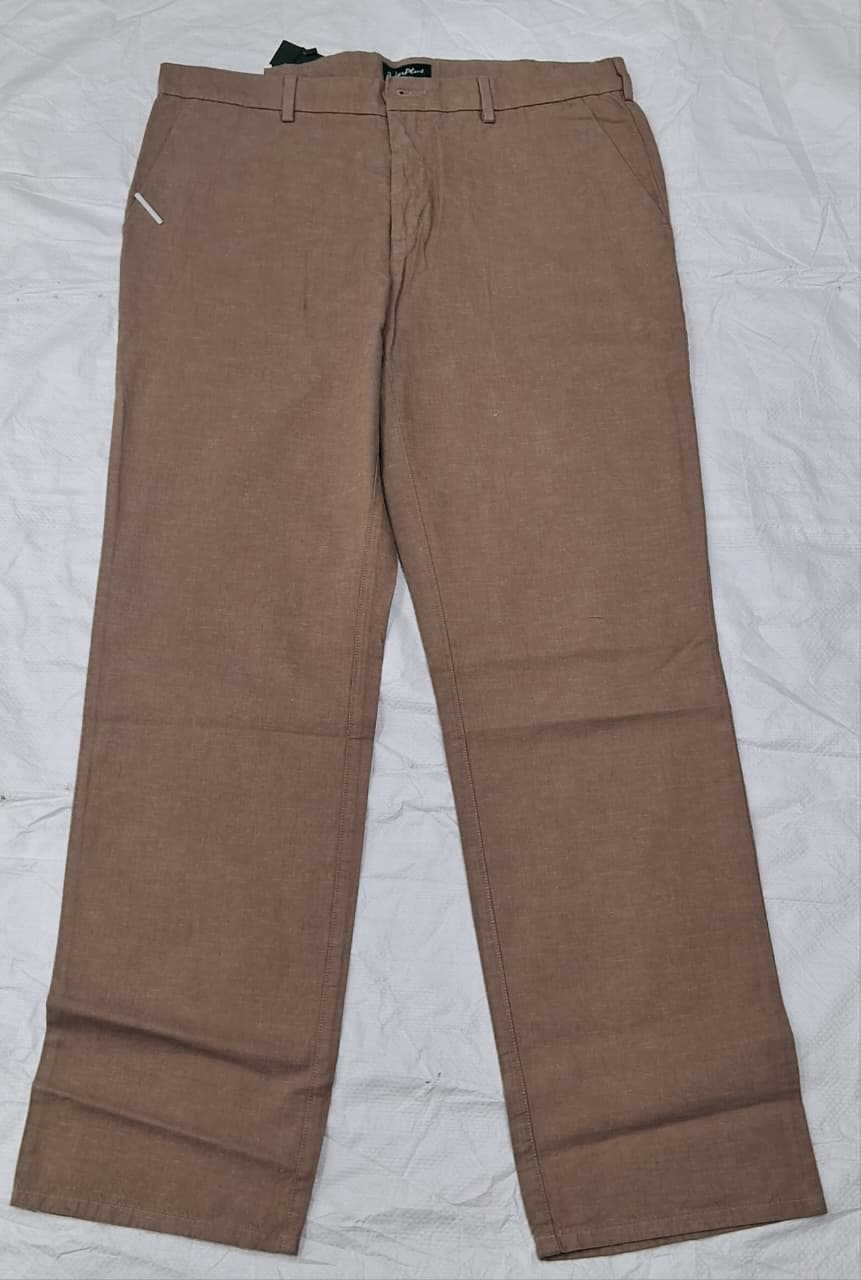
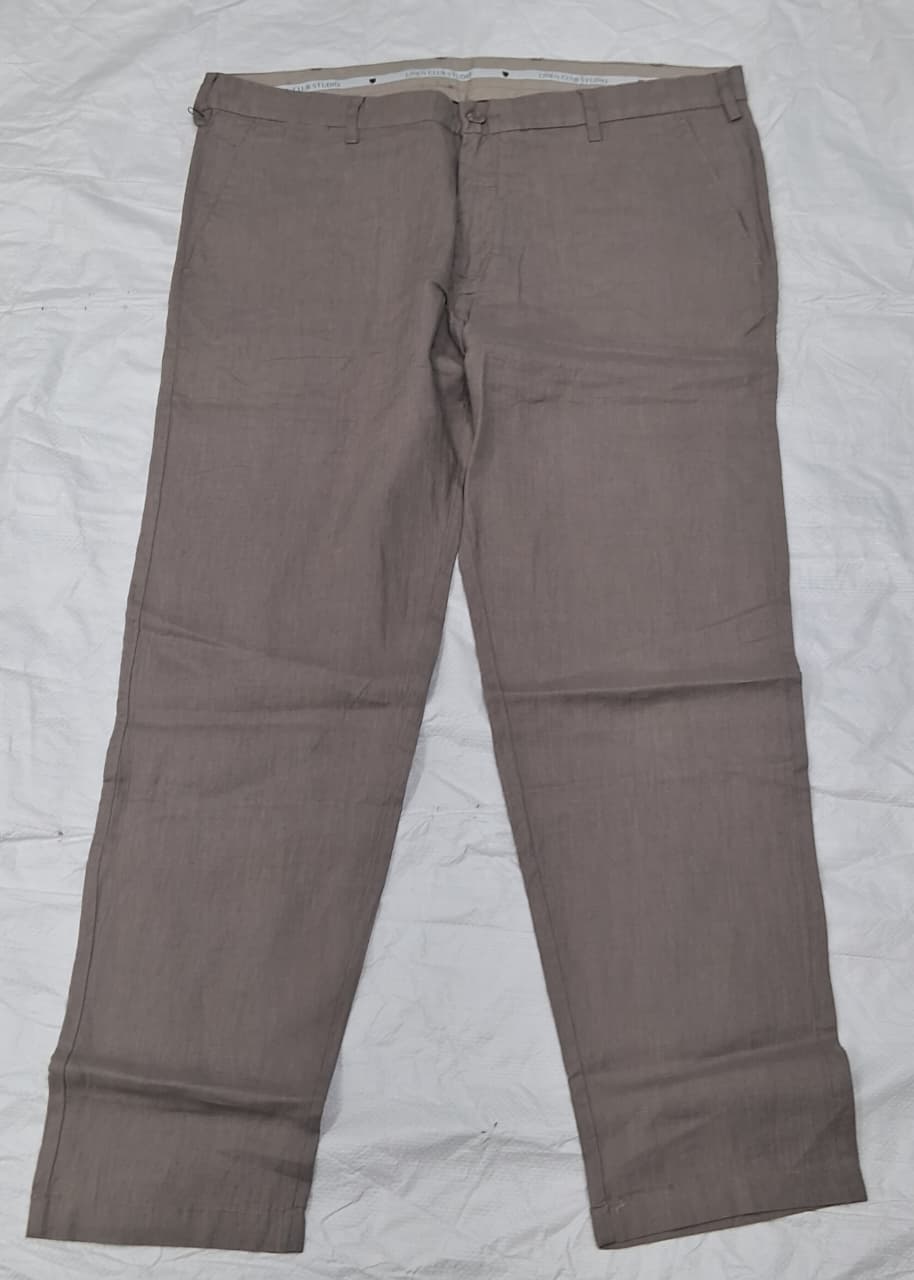
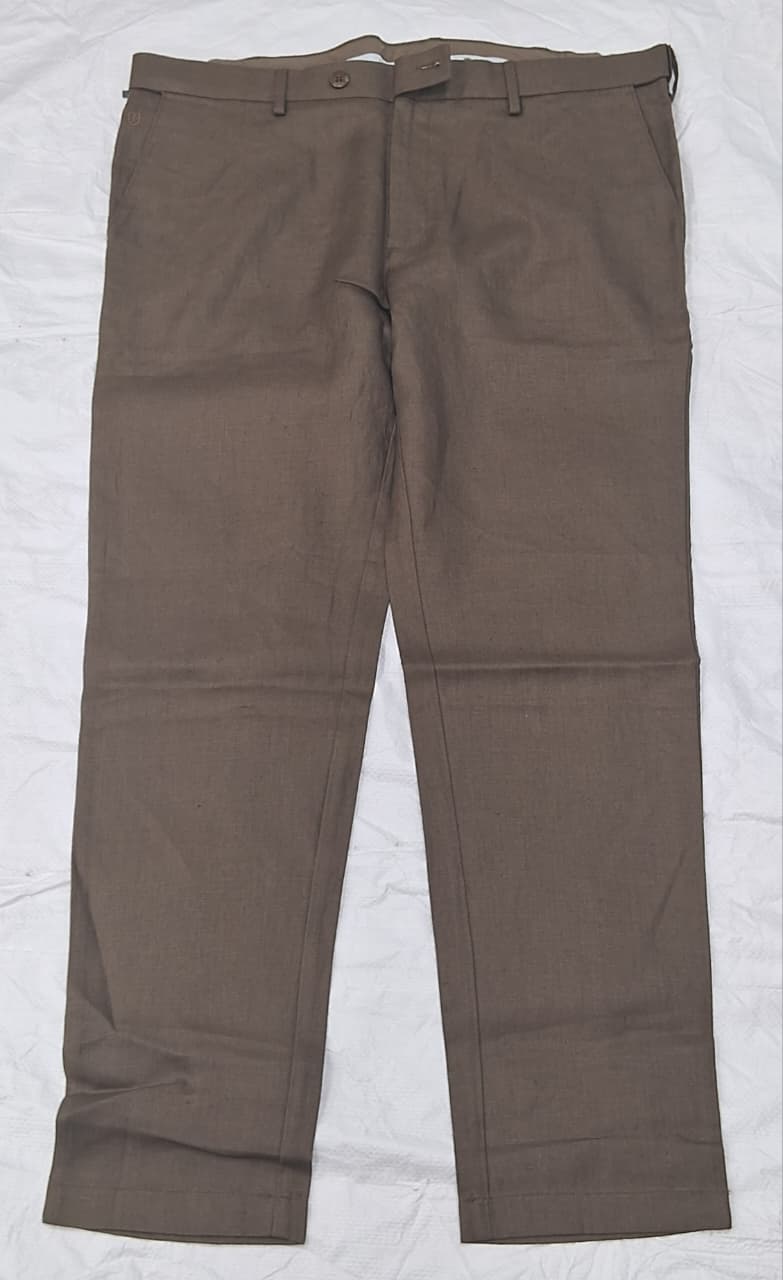
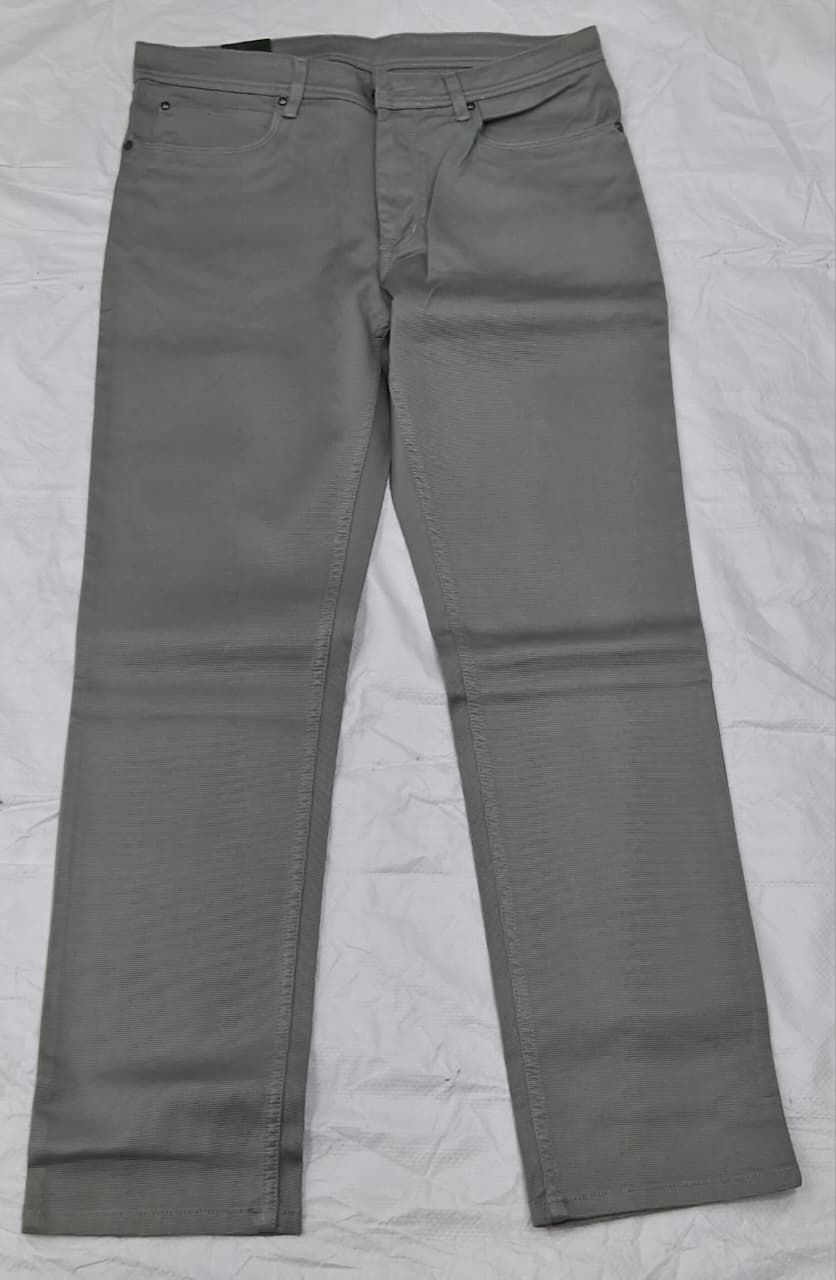
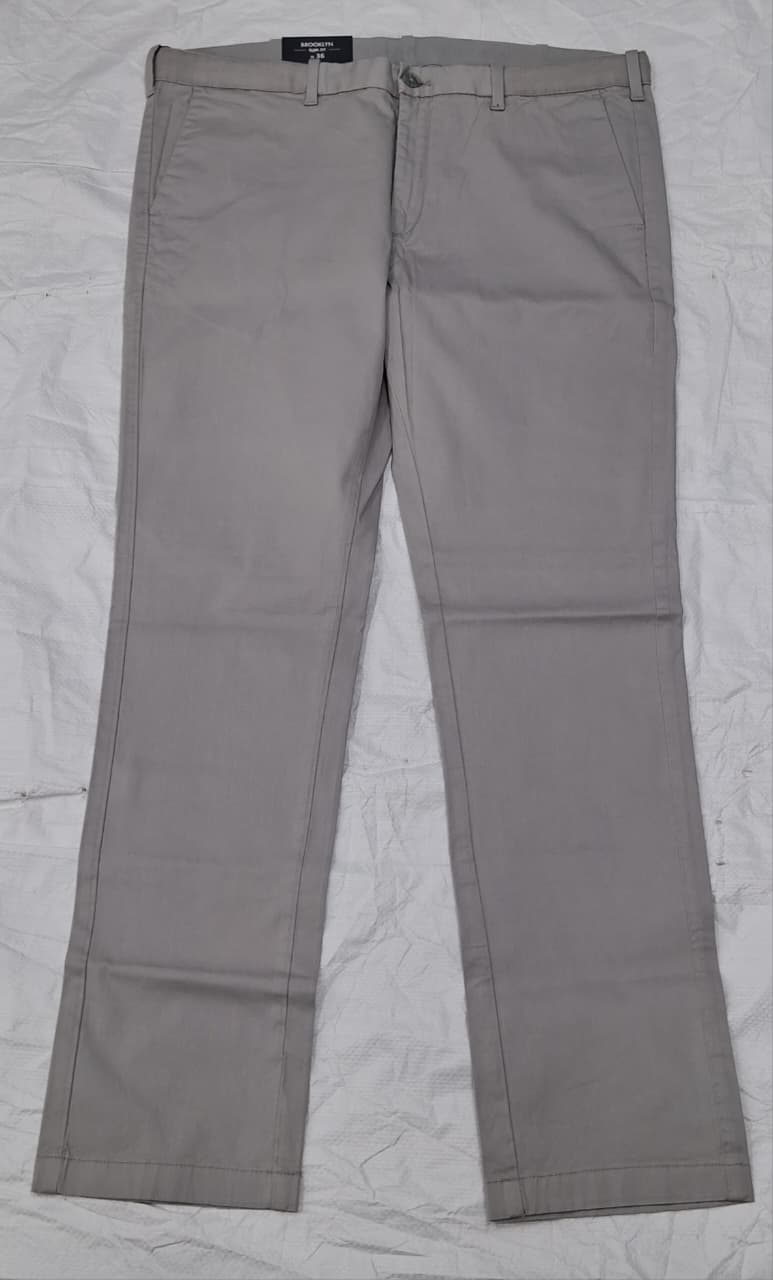
Each fabric below is described by its character, its comfort and where it works best in a professional wardrobe. The photographs are visual references for colour and surface rather than statements of composition.
Specimen 01
Wool
The benchmark for formal trousers. Wool fibres have natural elasticity, so the cloth recovers from creasing and drapes in a clean, fluid line. Fine worsted wools have a smooth, subtle sheen; flannels are softer and warmer.
Drape
Fluid
Breathability
Very good
Crease recovery
Excellent
Best for Suits, boardrooms, formal events
Specimen 02
Wool blends
Wool combined with polyester, viscose or a touch of elastane. Blends keep much of wool's appearance while adding durability, easier care and, often, a lower weight that suits warm climates.
Drape
Smooth
Breathability
Good
Care
Easier
Best for Daily office wear, travel
Specimen 03
Cotton
Soft, breathable and matte. Cotton trousers feel comfortable in heat and humidity and look slightly less formal than wool; they crease more readily, so a pressed front line matters.
Drape
Crisp
Breathability
Very good
Formality
Moderate
Best for Warm days, business casual
Specimen 04
Cotton blends
Cotton mixed with synthetic fibres for strength and shape retention. Blends wrinkle less, hold colour well and keep their line through long working days.
Drape
Even
Shape retention
Good
Care
Easy
Best for Long days, regular wear
Specimen 05
Twill
A weave rather than a fibre: twill shows fine diagonal ribs on the surface. It is dense and durable, drapes well and hides minor creasing, which makes it a dependable trouser cloth.
Surface
Diagonal rib
Durability
High
Drape
Good
Best for Hard-wearing formal trousers
Specimen 06
Stretch materials
A small percentage of elastane or a mechanical stretch weave lets the cloth move with you and return to shape. Stretch makes slim fit formal pants far more comfortable for sitting, commuting and travel.
Movement
Excellent
Recovery
Good
Fit
Close, comfortable
Best for Slim fits, commuting, travel
02 Four properties
Weight, texture, breath, drape.
I
Fabric weight
Lighter cloths feel cool and move easily, making them the practical choice for Mumbai's heat and humidity. Mid-weights hold a crease and drape more cleanly; heavier cloths suit air-conditioned offices, travel to cooler cities and winter evenings.
II
Fabric texture
Smooth worsteds read as the most formal. Textured surfaces — melange, fine checks, slubs or cord — add depth and pair well with plain shirts and solid jackets, adding interest without pattern.
III
Breathability
Natural fibres such as wool and cotton, and open weaves, let air and moisture pass through. In a warm climate, breathability is the difference between a fresh afternoon and an uncomfortable one.
IV
Drape
Drape describes how the cloth falls from the waist to the hem. Good drape lets the trouser hang straight, follow the crease and move without clinging — the quality that makes a formal trouser look composed.
03 Construction
How a formal trouser is built.
Construction is the hidden half of quality. These are the details worth checking, inside and out, whenever you try on a pair of formal trousers.
01
Waistband details
A firm, interfaced waistband keeps its shape through the day. Look for a curtain lining or neat finish inside, an extended tab with a hook-and-bar closure, and belt loops bar-tacked at both ends. Some formal trousers include side adjusters instead of loops.
02
Pockets
Side pockets may be slanted for easy access or set along the side seam for a cleaner line. Pocket bags should be made from durable cloth, and jetted back pockets should lie flat, ideally with a button.
03
Stitching
Stitches should be small, straight and even, with no puckering along the seams. Inside, edges are overlocked or bound so they do not fray, and stress points such as the fly base and pocket corners are reinforced.
04
Creases
The front crease is pressed through the centre of each leg, from the waistband or pleat down to the hem. It should be straight and symmetrical; many formal trousers are finished to hold the crease through wear.
05
Hem finishing
A blind-stitched hem leaves no visible thread on the outside. Some trousers add a heel guard — a strip of tape inside the back hem — to protect against wear from the shoe. Turn-ups (cuffs) add weight and a traditional look.
06
Overall construction
Look at the garment as a whole: matching left and right sides, a fly that lies flat, a seat seam that allows alteration, and a lining at the front of the leg on finer wool trousers to help the cloth drape.