Vol. 03 Fit & silhouette guide
The Formal Trouser Fit Guide
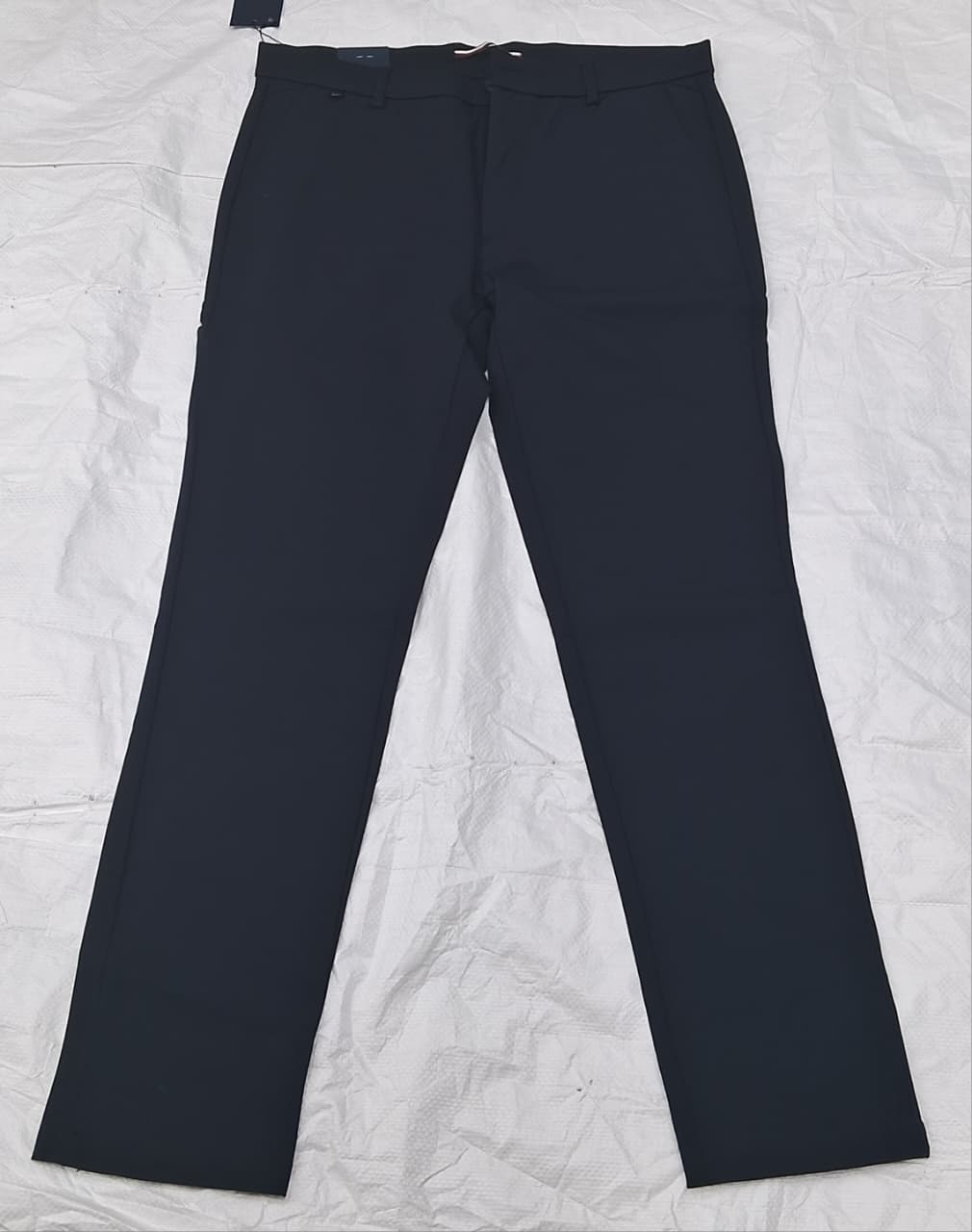
How should formal trousers for men fit? This guide reads a trouser the way a tailor does — as a set of measurements and proportions. Understand them and you can judge slim fit and regular fit formal pants with confidence, in any fitting room.
- A Waist
- B Rise
- C Hip / seat
- D Thigh
- E Knee
- F Inseam & length
- G Leg opening
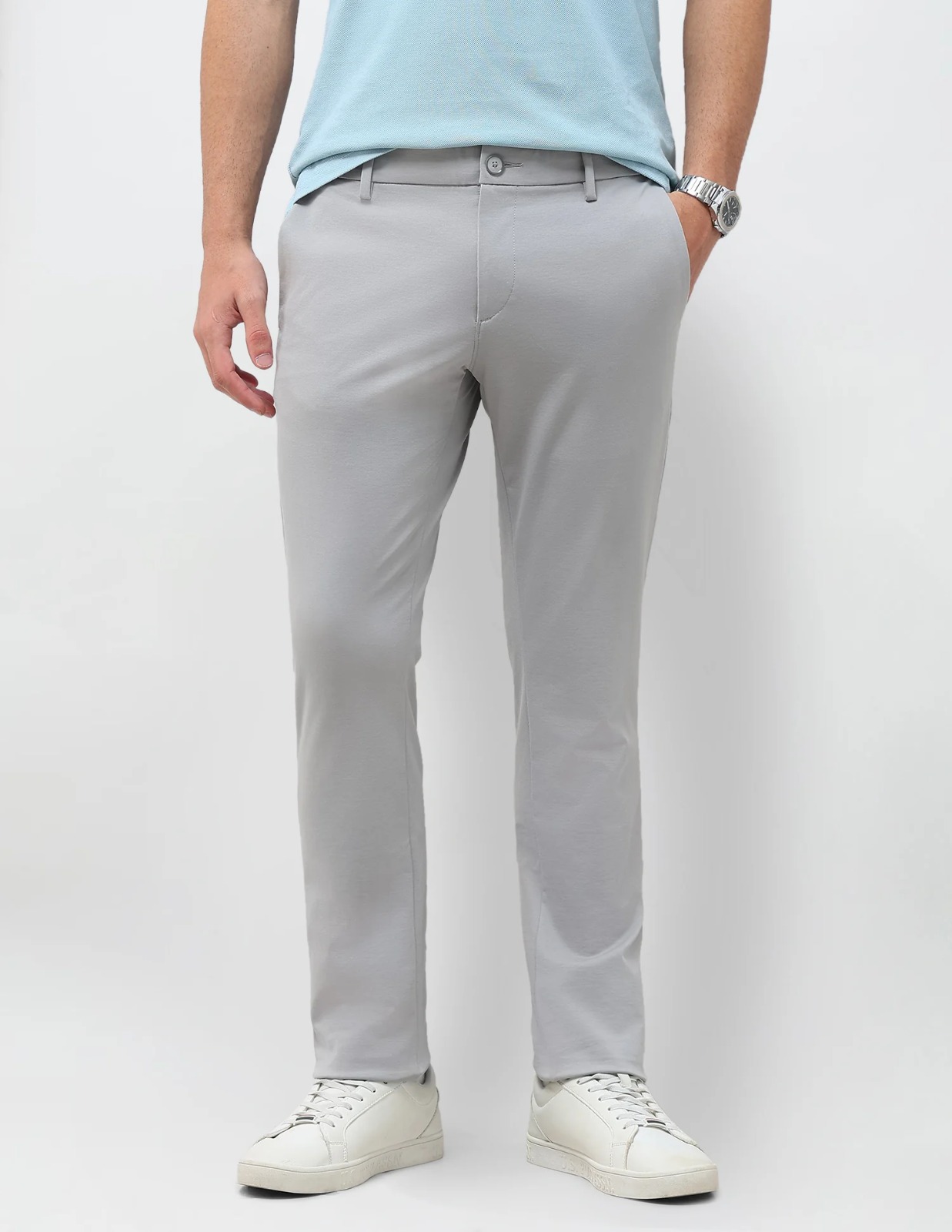
01 Five silhouettes compared
Slim, regular, straight, tailored, relaxed.
Every fit is a different answer to the same question: how much room, and where? Read across a row to compare one measurement, or down a column to understand one silhouette.
| Measurement | Slim fit | Regular fit | Straight fit | Tailored fit | Relaxed formal |
|---|---|---|---|---|---|
| Seat | Close | Comfortable | Balanced | Shaped | Generous |
| Thigh | Narrow | Easy | Moderate | Trim | Full |
| Knee | Tapered | Moderate | Same as hem | Gently tapered | Wide |
| Leg opening | Narrow | Medium | Medium | Medium-narrow | Wide |
| Usual break | None to slight | Slight to half | Slight to half | Slight | Half to full |
| Appearance | Lean, modern, sharp | Classic and easy | Long, clean column | Polished, made-to-measure | Soft, traditional drape |
| Comfort | Best with stretch cloth | Very good all day | Good | Good when well fitted | Maximum ease |
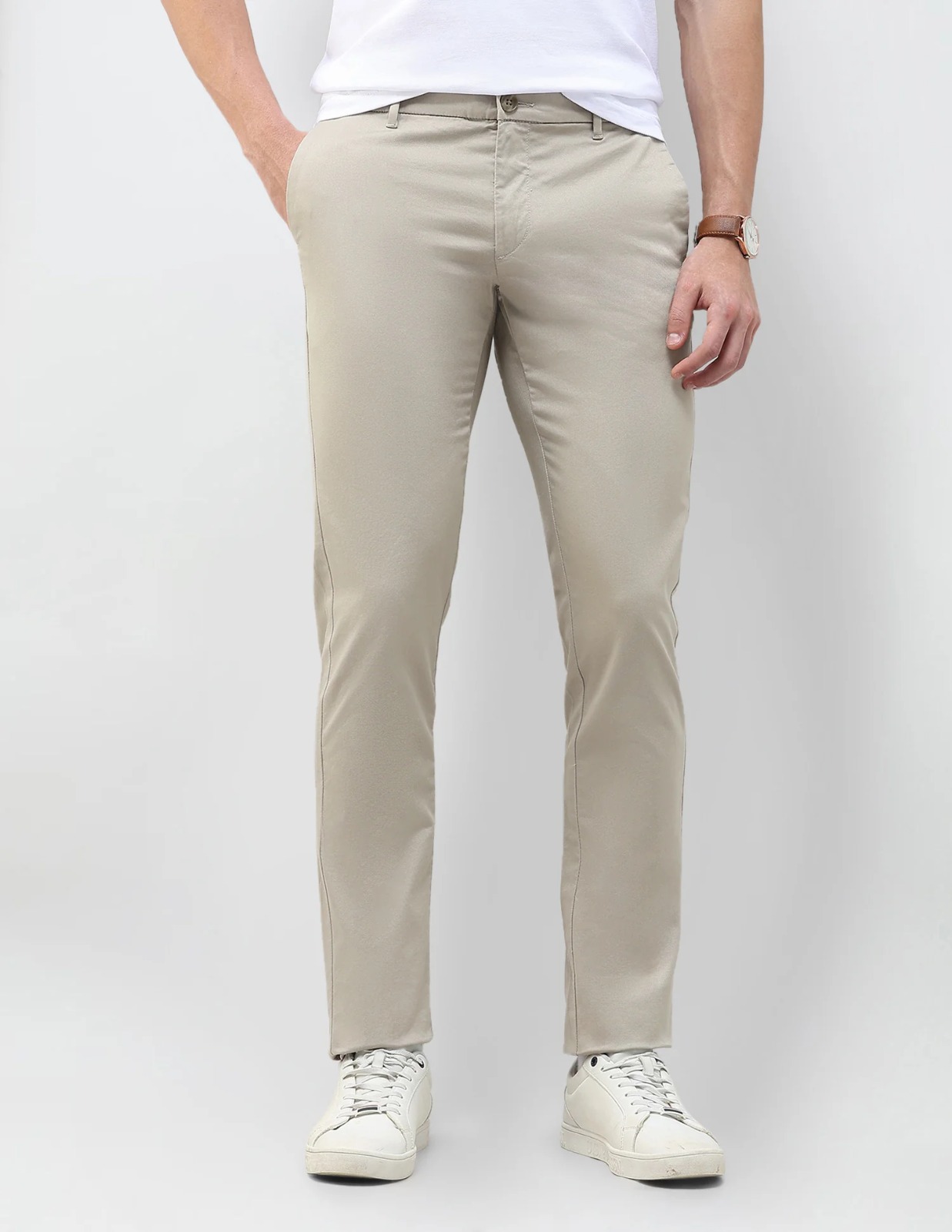
How silhouette changes appearance
Narrower cuts make the leg look longer and leaner but reveal more of the body's shape; fuller cuts create a calm, vertical drape that flatters athletic thighs and broader builds. A tailored fit sits between the two, following the body without clinging.
How silhouette changes comfort
Comfort lives in the seat and thigh. If you sit for most of the day, prioritise room there and let the leg taper below the knee instead. Fabrics with a little stretch make slimmer cuts considerably more comfortable.
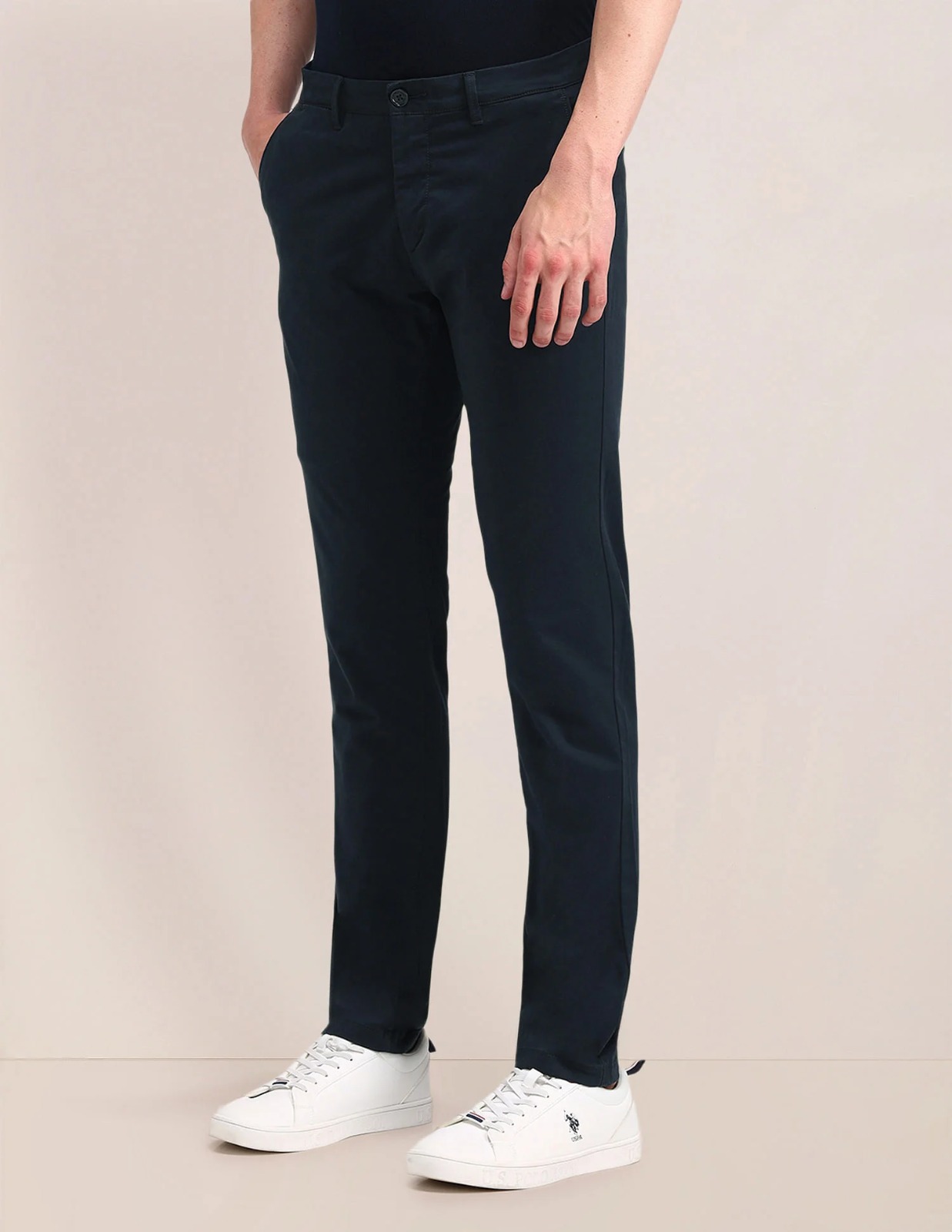
02 Measurement by measurement
Read the trouser from waist to hem.
-
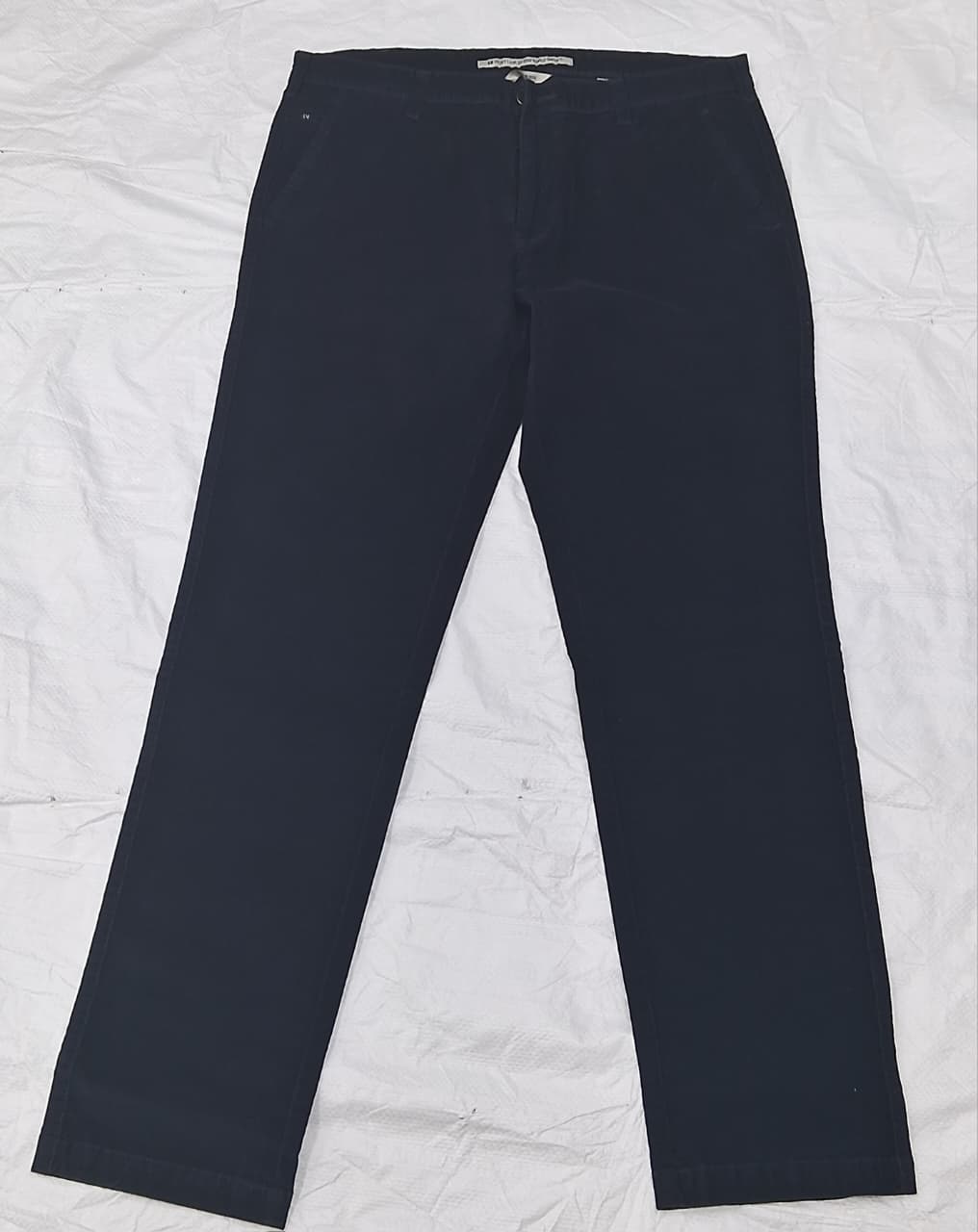
Waist measurements
Measure around the natural waist where you wear your trousers, keeping the tape level and one finger inside it. Formal trousers should sit securely without a belt and never pinch when you sit; two fingers should slide in comfortably at the waistband.
-
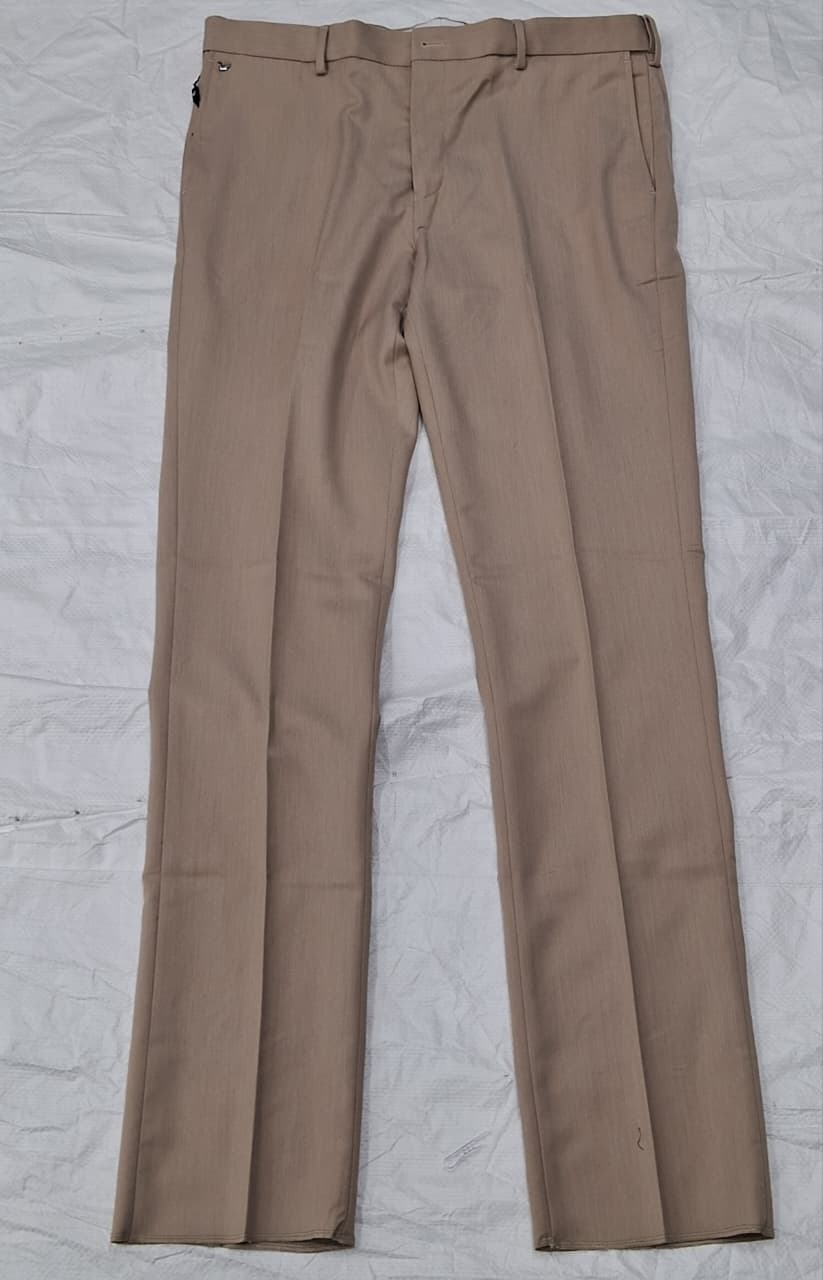
Trouser rise
The rise runs from the crotch seam to the top of the waistband. A low rise sits on the hips and feels contemporary; a mid rise is the versatile standard; a high rise sits at the natural waist, lengthens the leg and suits pleats and tucked shirts.
-
Hip measurements
Measure around the fullest part of the seat. The cloth should lie flat across the seat and hips — horizontal pulls mean too tight, loose vertical folds beneath the seat mean too much fabric.
-
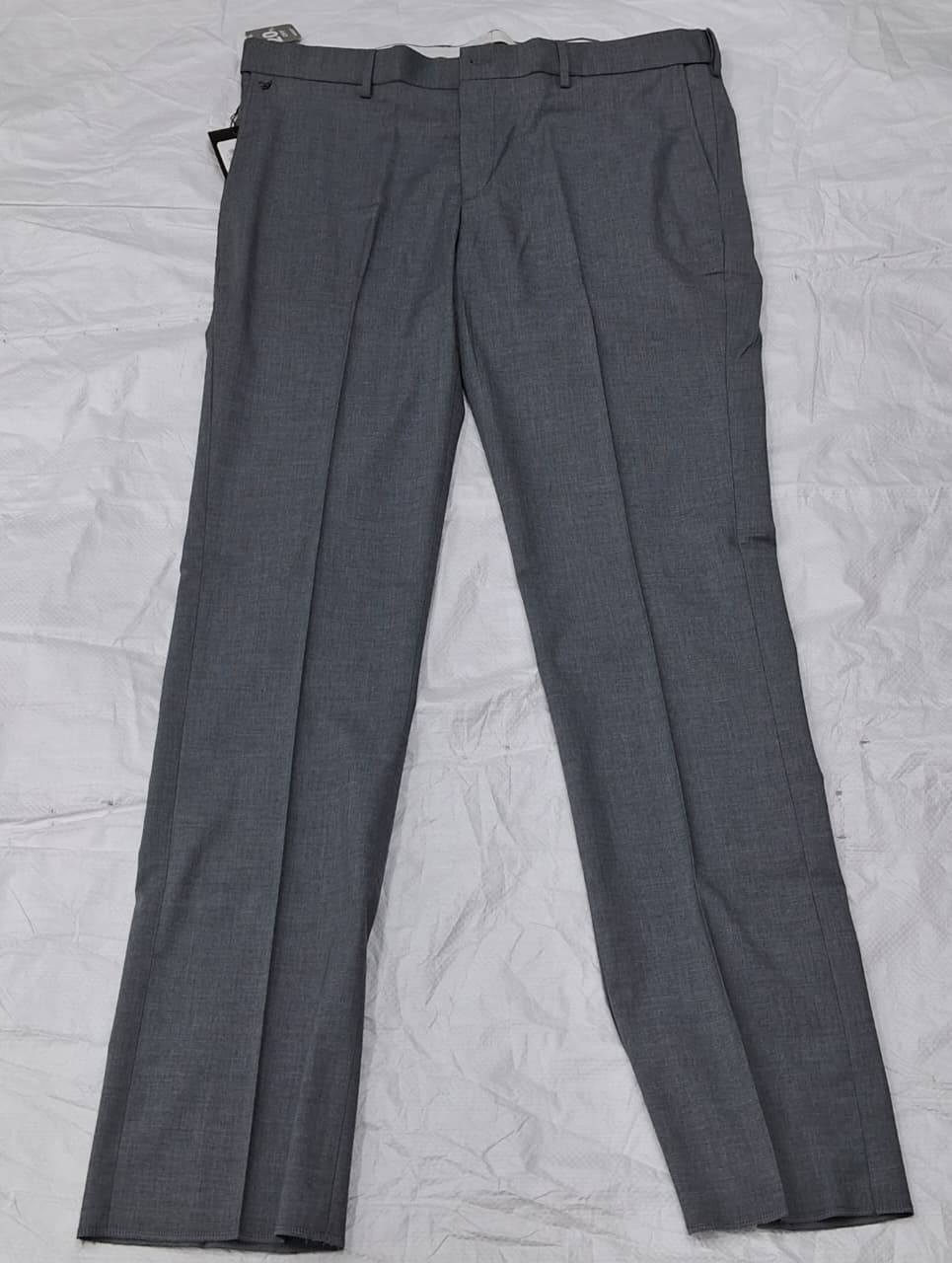
Thigh measurements
Taken around the upper thigh just below the crotch. You should be able to pinch roughly an inch of cloth on either side; front pockets that flare open are a sign the thigh is too slim.
-
Knee positioning
The knee measurement controls the taper. The leg should fall straight past the knee rather than gripping it. When you sit, the cloth should rise without straining across the knee.
-
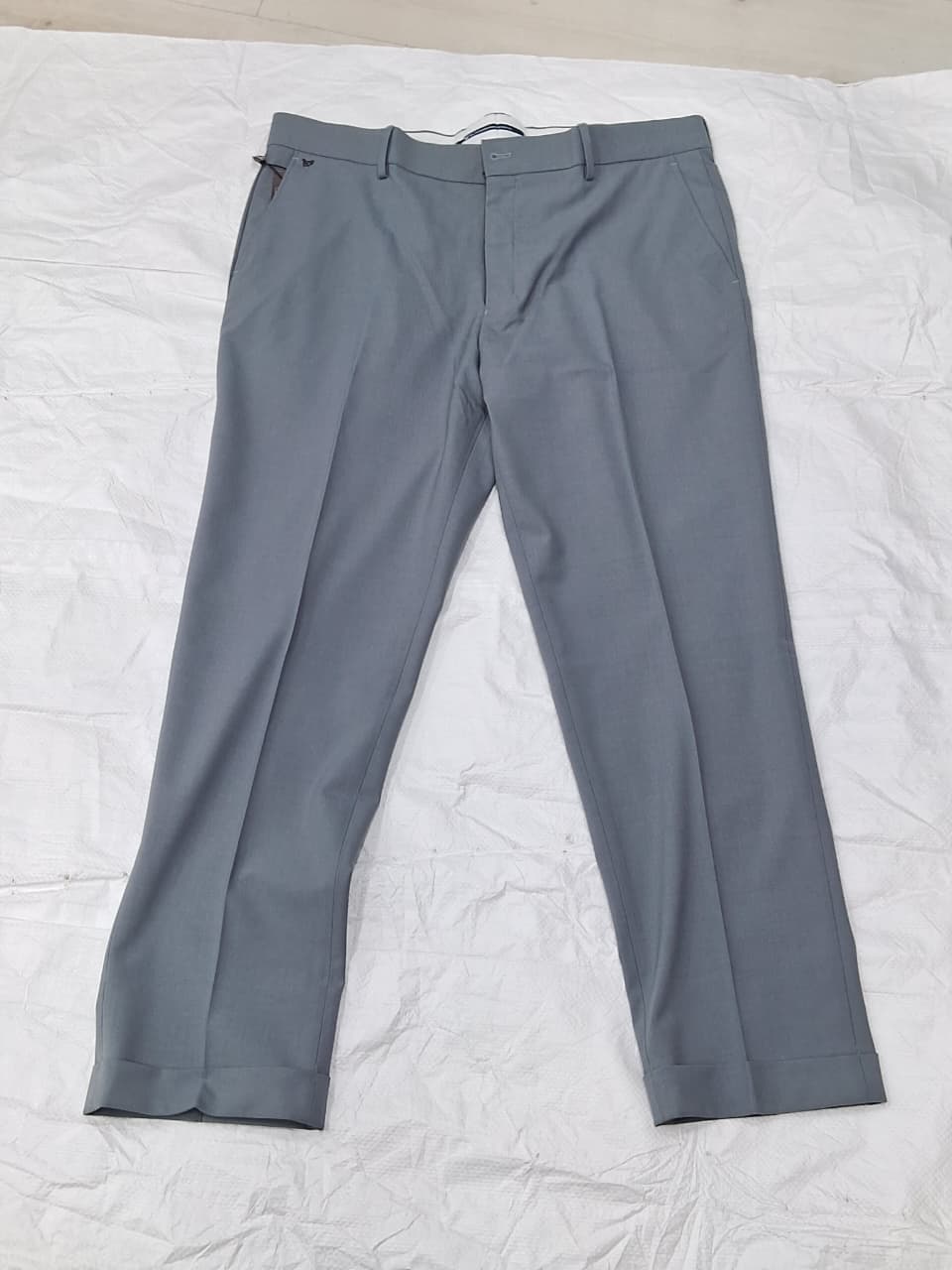
Trouser length
Length is measured along the inseam, from crotch to hem. Always check it with the shoes you intend to wear. At the back, the hem should reach the top of the heel counter of the shoe.
-
Leg opening
The width at the hem. It should be in proportion to your shoe: a narrow opening suits sleek shoes and slim fits, while a wider opening balances heavier formal shoes and fuller cuts.
-
Trouser break
The break is the fold where the trouser meets the shoe. No break looks modern and precise; a slight break is the most versatile; a half break is classic; a full break feels traditional and suits wider legs.
03 The four breaks
Where the trouser meets the shoe.
-
01No break
Hem just touches the shoe. Sharp and modern; best with slim and contemporary fits.
-
02Slight break
A gentle dimple at the front. The most versatile choice for office wear.
-
03Half break
One soft fold. Classic, balanced and suited to regular and straight fits.
-
04Full break
A deep fold resting on the shoe. Traditional; pairs with fuller, pleated cuts.
04 Proportion
Choosing a fit for your build.
- Taller and lean
- Straight or regular fits with a slight or half break add presence; very slim cuts can over-emphasise length.
- Shorter frame
- A mid-to-high rise, slim or tailored leg and little or no break lengthen the line. Keep trousers and shoes in related tones.
- Athletic thighs
- Look for a tailored fit with room through the thigh and a gradual taper, ideally in a fabric with some stretch.
- Fuller build
- Regular or straight fits with a mid-to-high rise and a clean crease create a calm vertical line; avoid tight seats and very narrow openings.
These are general styling principles rather than rules. The final test is always the mirror, the chair and a few steps across the room.